
UN SDGs at CABR
What are the Sustainable Development Goals (SDGs)?
The Sustainable Development Goals (SDGs) are 17 global objectives adopted by the United Nations (UN) to end poverty, improve health, reduce inequality, and drive economic growth.
CABR’s research work contributes to multiple Sustainable Development Goals (SDGs). Below is a selection of the SDGs to which CABR contributes, along with examples of research projects and activities aligned with each goal. Click on an SDG to learn more about CABR’s research and its impact in this area.
Examples of CABR Research Aligned with SDG 3: Good Health and Well-being
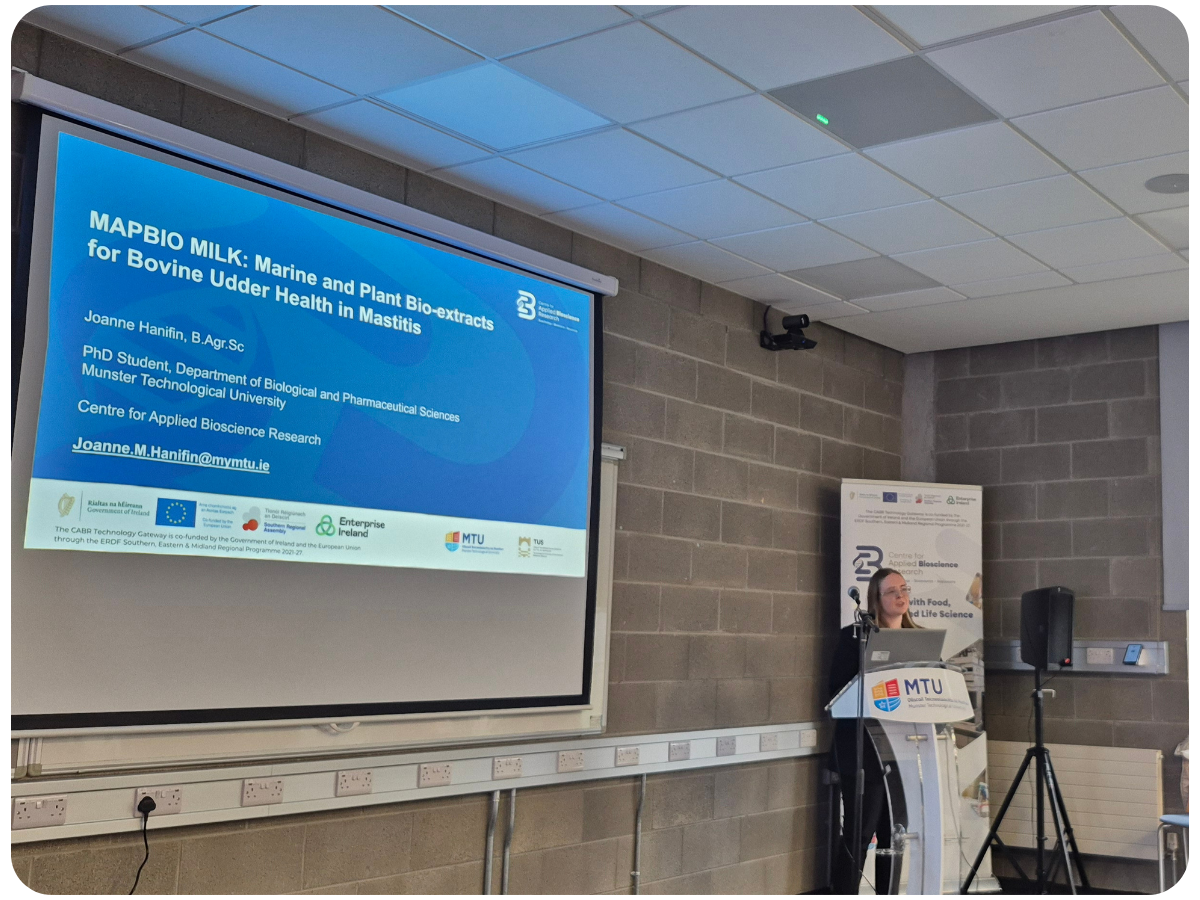
Improving Animal Health (MAPBIO-MILK Project)
Joanne Hanifin, a TU RISE-funded PhD researcher at CABR, is developing an antimicrobial and anti-inflammatory product as part of the MAPBIO-MILK Project, to help support dairy cows experiencing mastitis, a painful inflammatory infection which causes significant economic losses on Irish farms.
- Impact: Combining marine and plant bio-extracts with a novel biosensor to support mastitis control, reducing reliance on antibiotics and improving animal welfare
- Supervisors: Dr Joanna Tierney, Dr Ashley Sullivan, Dr Bridget Breen, Dr Venkata Vamsi Bharadwaj Yallapragada
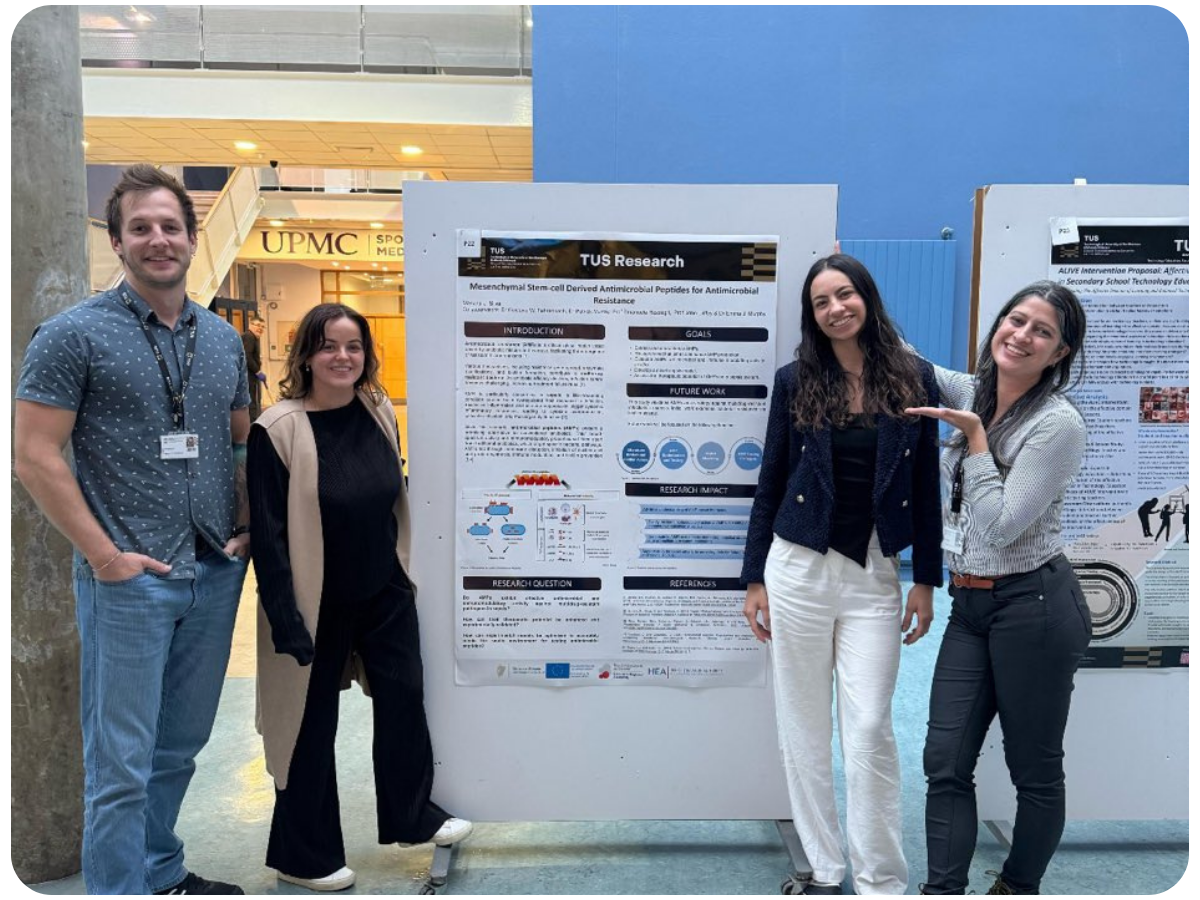
Developing New Approaches to Treating Sepsis (Mesenchymal stem cell-derived Antimicrobial Peptides for Antimicrobial Resistance)
Mariana Juca Silva, a PhD researcher within the Bioengineering Organ-on-Chip (BOOC) Research Group at CABR, is investigating the potential of antimicrobial peptides, naturally occurring molecules that defend against bacteria, fungi and viruses, derived from stem cells to combat antimicrobial resistance in the treatment of sepsis.
- Impact: Developing new ways to treat sepsis by exploring alternatives to conventional antibiotics
- Supervisors: Dr Emma J. Murphy, Prof Emanuele Rezoagli, Prof John Laffey, Dr Gustavo Fehrenbach, Dr Patrick Murray, Dr Robert Pogue
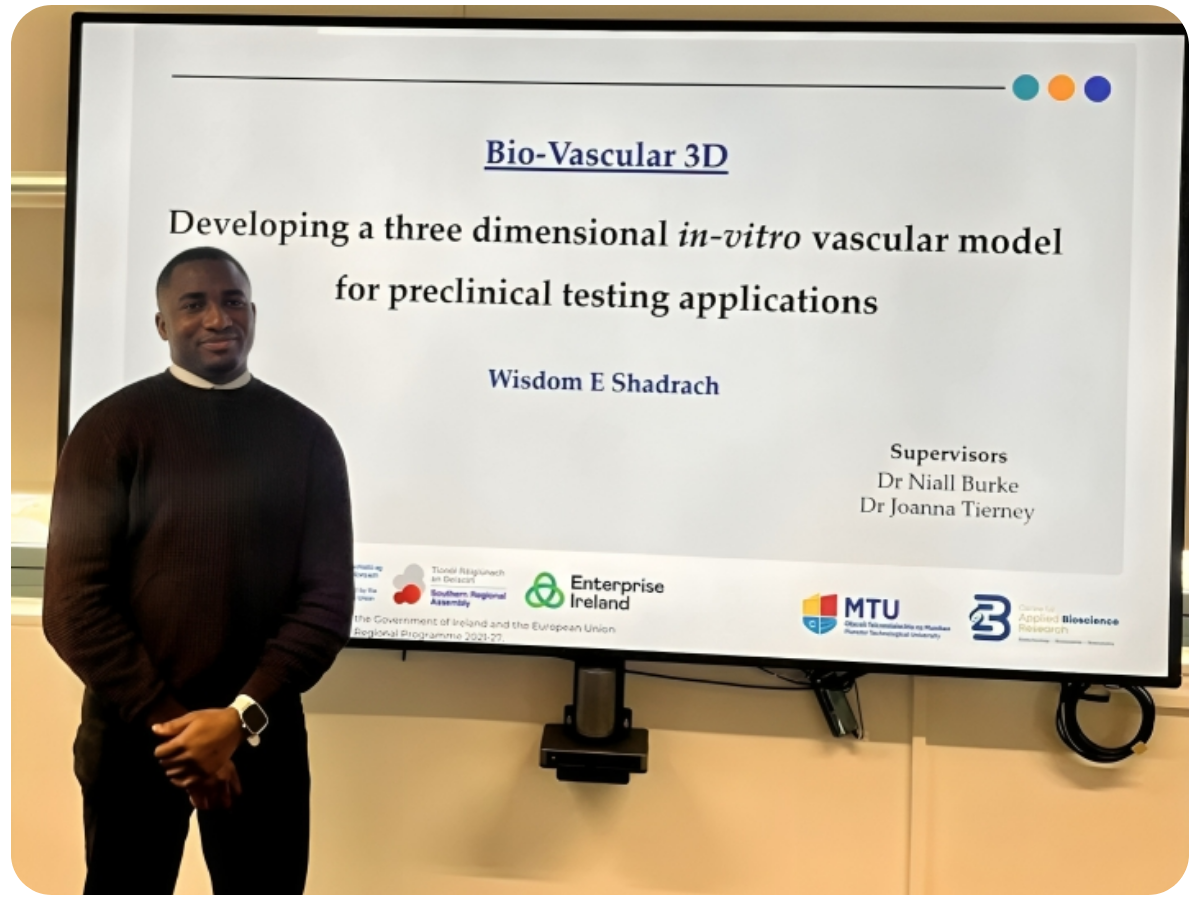
Developing a 3D Vascular Model for Preclinical Testing (Bio-Vascular 3D)
Dr Wisdom E Shadrach’s PhD research explored the development of a hydrogel-based three-dimensional in vitro vascular model to improve preclinical testing of medical therapies and devices.
- Impact: Providing a platform for structural and biological testing of innovative medical therapies, supporting safer healthcare solutions
- Supervisors: Dr Joanna Tierney, Dr Niall Burke
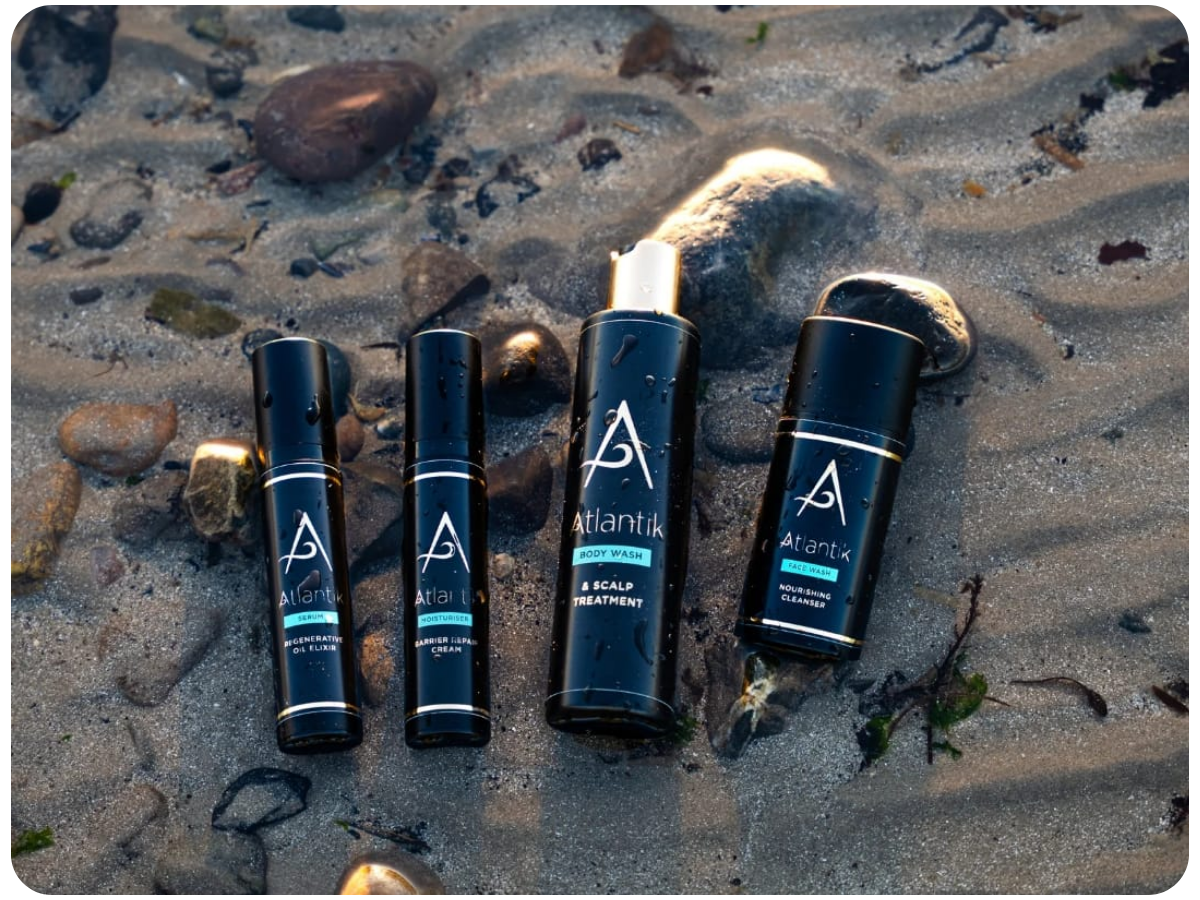
Helping Irish Skincare Brand Determine Their Body Wash’s Antimicrobial Properties (Case Study)
CABR collaborated with Atlantik Body Care, an Irish natural skincare brand, to scientifically validate the antimicrobial and antifungal properties of their natural body wash. CABR evaluated Atlantik’s natural body wash for its ability to combat bacteria and fungi linked to common skin conditions, including acne, athlete’s foot, and wound infections.
Overall, the Atlantik Body Care product was found to be a potent antimicrobial and antifungal agent, showing efficacy similar to or better than other products currently available on the market in various tests.
- Impact: Supporting the development of safer, more effective natural products
- CABR Research Staff Involved: Aoife Mulry (PhD researcher, TUS), Grace Lawlor (PhD researcher, TUS), Dr Emma J. Murphy (Research Fellow and Group Lead, Bioengineering Organ-on-Chip (BOOC) Research Group at CABR)
Read more about this case study and other CABR case studies here.
Examples of CABR Research Aligned with SDG 12: Responsible Consumption and Production
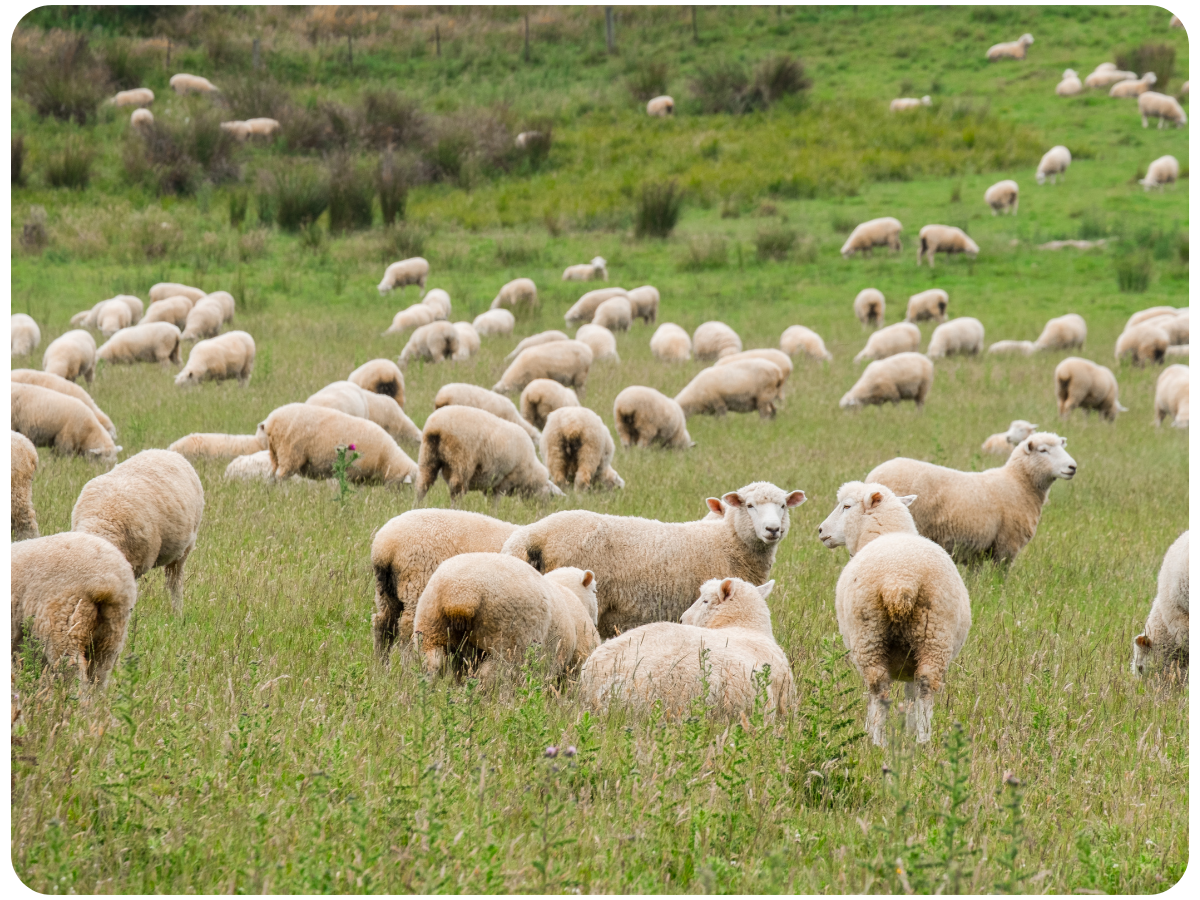
Driving Circular Innovation in the Wool Sector (SPRINGWOOL Project)
SPRINGWOOL is a national research initiative led by CABR and Munster Technological University to create value from Irish-grown wool.
The project addresses challenges such as low farmer returns and environmental obstacles by developing sustainable processing methods and innovative applications for wool.
- Impact: Promoting circular bioeconomy practices and reducing resource waste in the wool sector
- CABR Research Staff Involved:
-
- Dr Tim Yeomans (SPRINGWOOL Project Lead, Centre Manager, CABR)
-
- Dr Emma Murphy (SPRINGWOOL Project Lead, Research Fellow, Bioengineering Organ-on-Chip (BOOC) Research Group at CABR)
-
- Dr Tielidy de Lima (Postdoctoral Researcher, Bioengineering Organ-on-Chip (BOOC) Research Group at CABR)
-
- Dr Joanna Tierney (Lecturer at MTU, Principal Investigator (PI) at CABR)
-
- Dr Peter Downey (Lecturer at TUS, PI at CABR)
-
- Dr Patrick Quille (Lecturer at MTU, PI at CABR)
-
- Dr Patrick Murray (Head of Research and Technology Transfer at TUS, and PI within CABR)
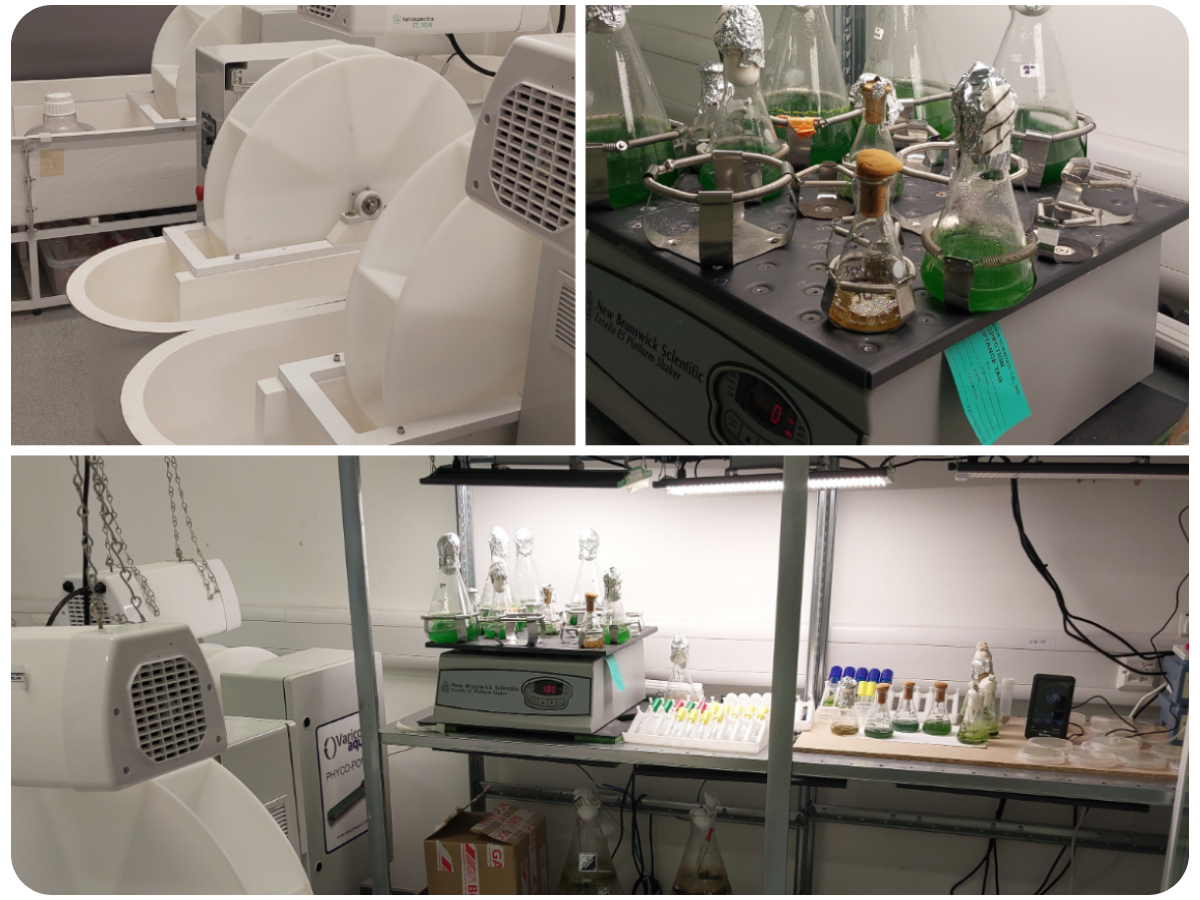
Microalgae Cultivation Suite (CABR Equipment)
Microalgae are a group of microscopic plants that are a significant reservoir of bioactive compounds, nutritional ingredients, and commercial commodities for the food and cosmetics industries.
At CABR, we have a Food-Grade Microalgae Cultivation Suite available for large-scale microalgae cultivation, downstream processing of biomass, extraction of high-value functional ingredients, and large-scale R&D projects for microalgae-based commodity production.
- Impact: Supporting resource-efficient production of high-value bioactive ingredients for the food and cosmetics industries
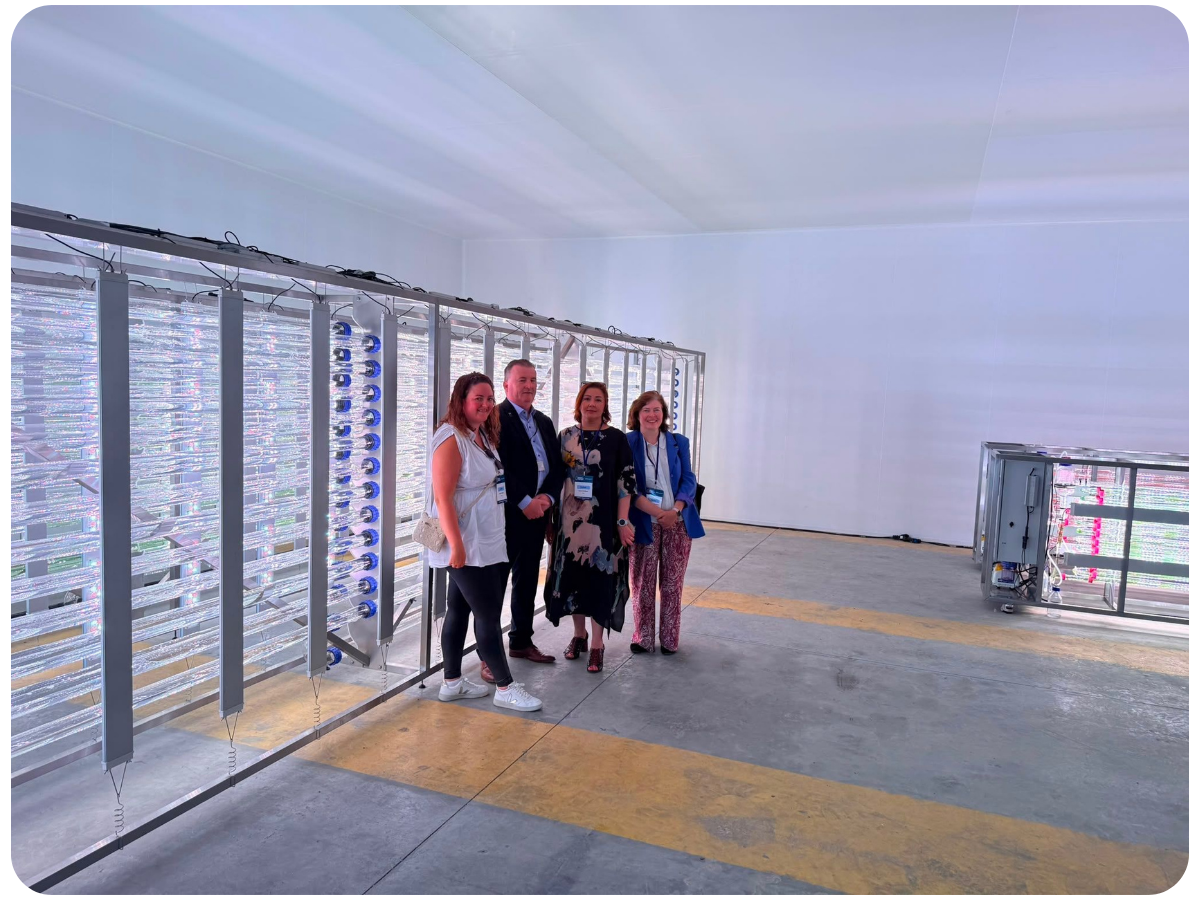
Turning Food By-Products into Bio-Based Products (CircleBio-P Project)
CircleBio-P demonstrates a comprehensive bioeconomy innovation model at the National Bioeconomy Campus in Lisheen, Co. Tipperary. The project integrates eco-friendly practices for reusing resources to achieve zero waste and minimal emissions.
CircleBio-P brings together stakeholders to showcase technologies that convert food-processing by-products into bio-based products, animal feed, and bioenergy, supporting Ireland’s transition to a circular economy.
- Impact: Driving large-scale adoption of circular bioeconomy practices to reduce waste and improve resource efficiency
- Project coordinators: Dr Lena Madden (CircleBio-P coordinator and lead of the CircAB group at CABR, TUS) and Dr Patrick Murray (Principal Investigator (PI) at CircleBio-P, CircAB and CABR, Head of Research, Technological University of the Shannon (TUS))
- CABR Research Staff Involved: Dr Lena Madden (Research Fellow & Group Lead, CircAB Research Group at CABR), Dr Farrukh Raza Amin (Research Scientist, CircAB at CABR)
Examples of CABR Research Aligned with SDG 15: Life on Land
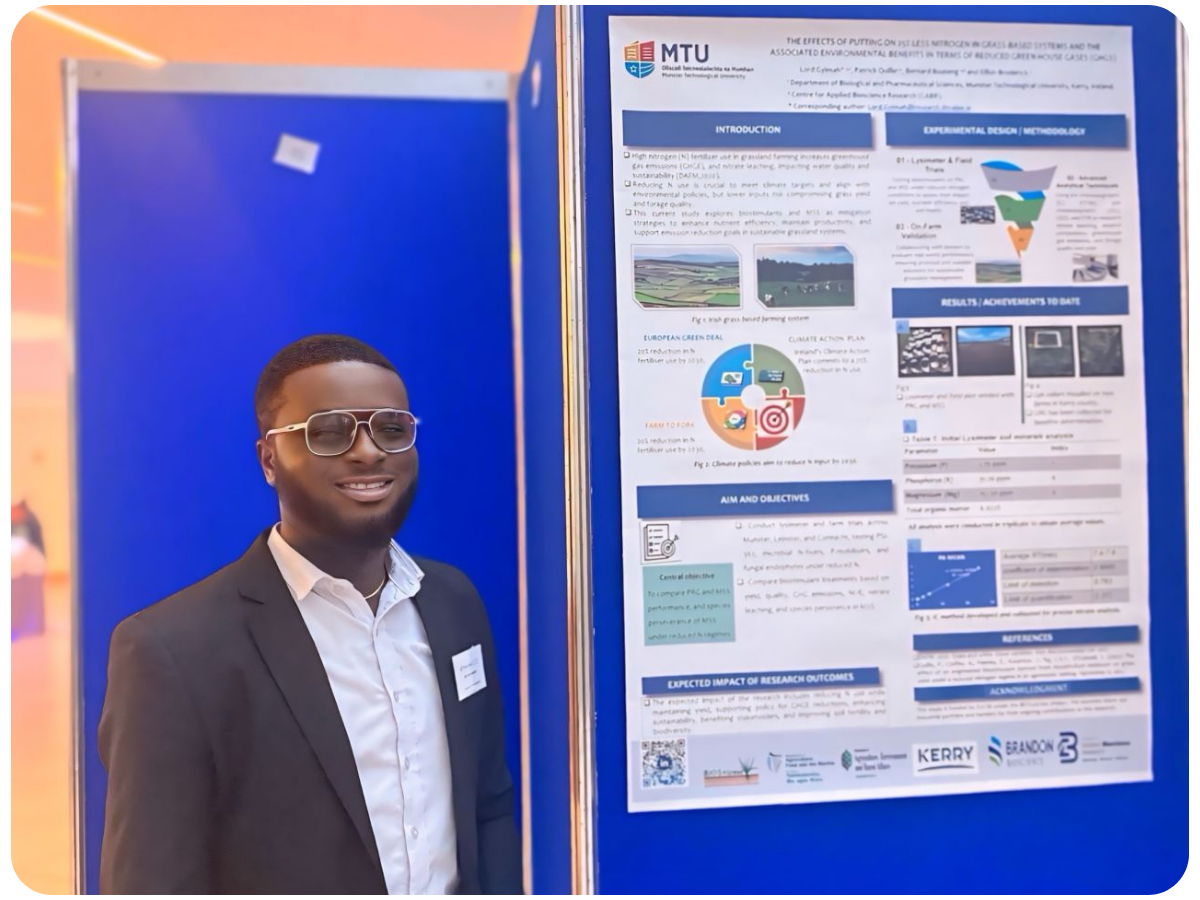
Improving Grassland Sustainability (BIOS4Grass Project)
Lord Gyimah, a PhD researcher at CABR, is working on the BIOS4Grass project to develop sustainable bio-based alternatives that reduce chemical fertiliser and pesticide use in Irish grasslands.
- Impact: Delivering sustainable bio-based solutions to improve grass growth and soil health in perennial ryegrass and multi-species swards
- Supervisors: Dr Patrick Quille, Dr Bernard Boateng
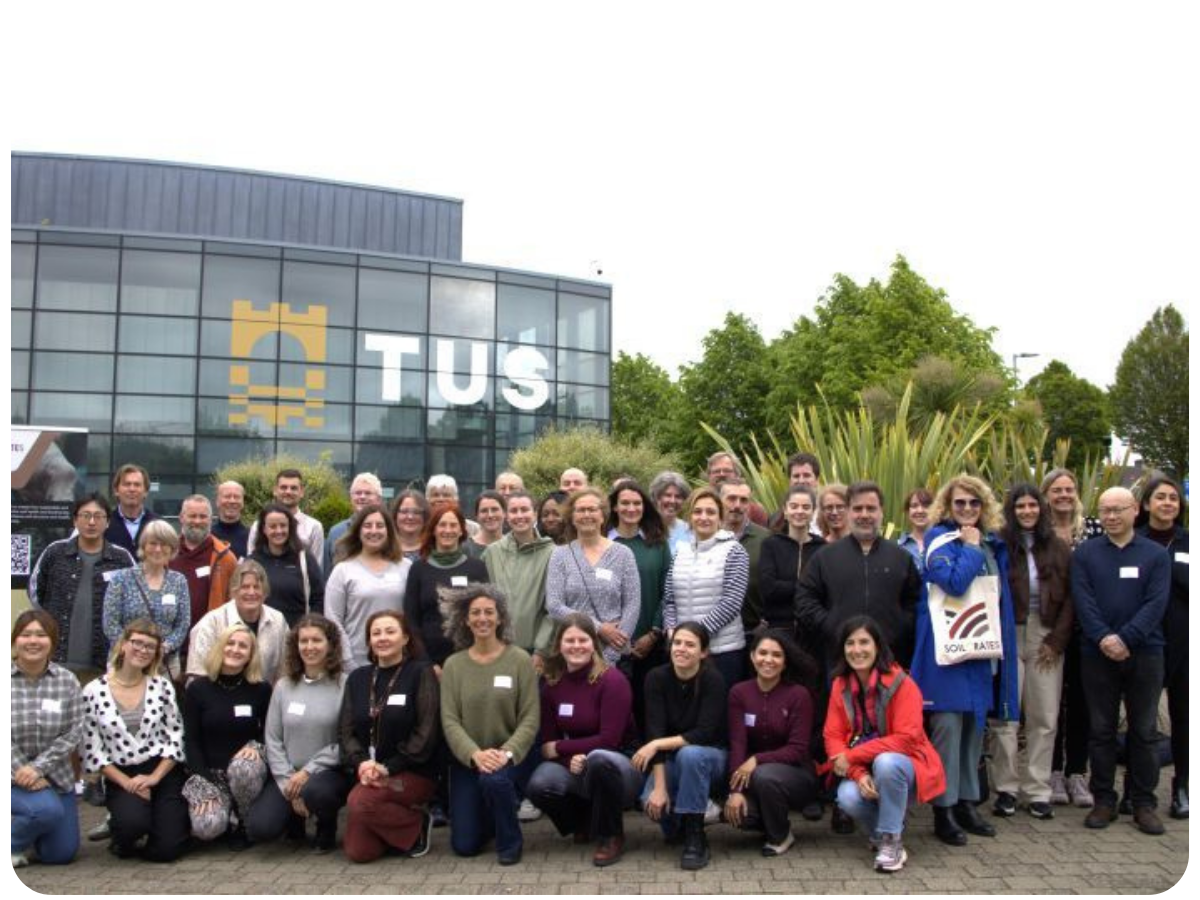
Co-Creating Solutions for Soil Health Through Farm-Led Innovations (SOILCRATES)
Researchers from the CircAB research group at CABR lead the development and implementation of SOILCRATES-Ireland, the only soil health Living Lab in Ireland funded under the €12 million Horizon Mission Soil project, SOILCRATES. The Living Lab is a community of partners centred around farmers’ needs and brings together farmers, researchers, and communities to co-create solutions for soil health, biodiversity, and resilience.
- Impact: Enhancing soil health and biodiversity through collaborative, farmers-driven innovation
- CircAB at CABR researchers involved: Dr Lena Madden, Dr Shane O’Sullivan, Dr Zhaoqi Bin, Dr Laura Rodrigues, Dr Yuansong Qiao, Dr Xinyu Yan, Dr Pablo Tobar, Ms Alina Madden, Dr Mariagrazia Proto, Dr Catherine Collins and Dr Peter Downey
- Additional project partners: Cloughjordan Community Farm, Ballyhoura Development CLG, Loop Head Together CLG and Kraken Seed Ltd.
The Living Lab is led by TUS and includes 165 farmers, and 20 SMEs and governing bodies across Clare, Limerick and Tipperary.
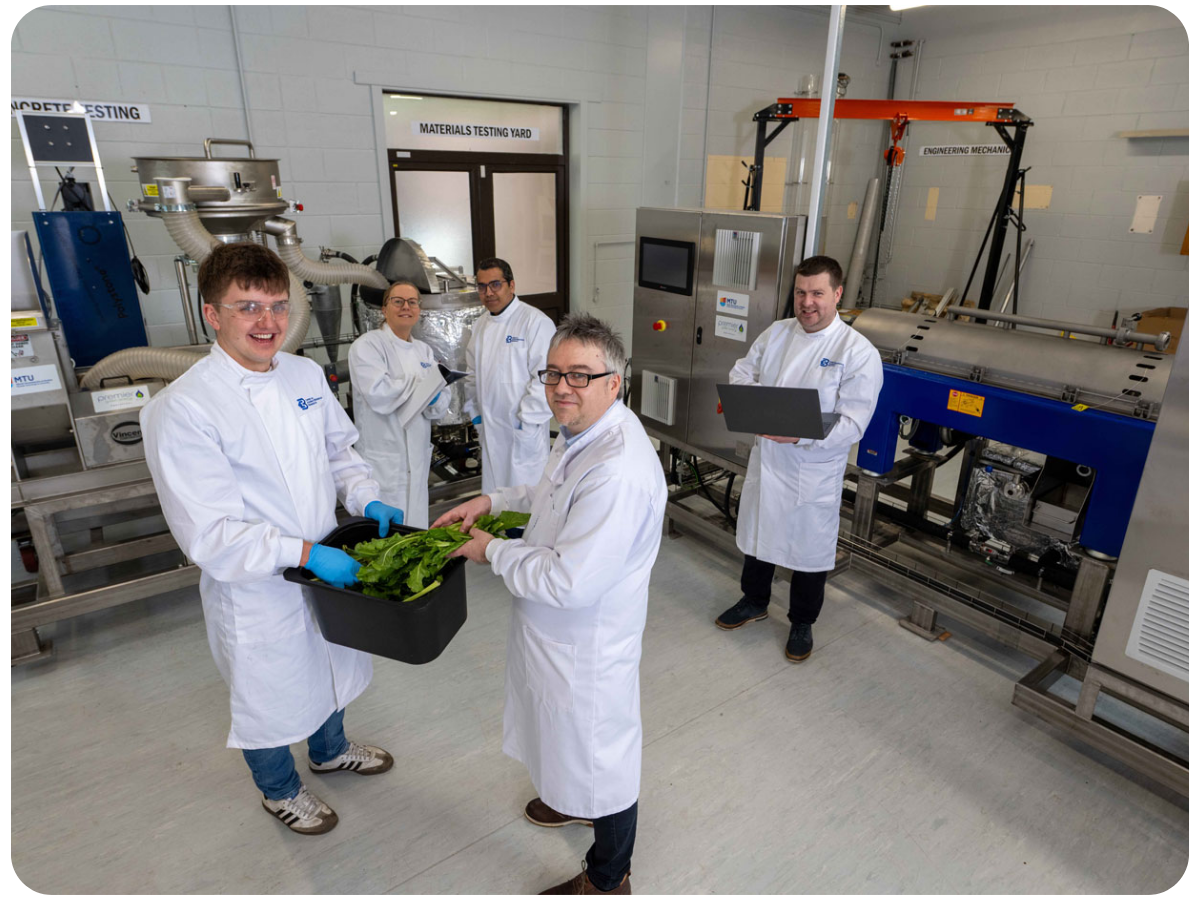
Circular Solutions for Agricultural Residues (Rural BioReFarmeries Project)
The Circular Bioeconomy Research Group (CircBio) research team at CABR is contributing to developing sustainable methods to convert grasses, clover, and crop residues into high-value products such as human-grade protein and bio-based packaging as part of the Rural BioReFarmeries project, which promotes decentralised green biorefineries across Europe.
- Impact: Promoting circular bioeconomy practices that protect land resources and support rural resilience
- CircBio at CABR researchers involved: Prof James Gaffey, Dr Joanna Przyborska, Dr Sana Sehar, Dr Jagdeep Kumar Nayak, Megan O’Brien, Adam Mulcahy
- Funding: €8.7 million Circular Bio-Based Europe Joint Undertaking
Examples of CABR Research Aligned with SDG 17: Partnerships for the Goals
Regenerating Ireland’s Wool Industry Through Multi-Partner Collaboration (REVEIRE Project)
REVEIRE is a collaborative research project led by University College Cork, with project partners including CABR (MTU and TUS), Ulster University, Teagasc Athenry and the Irish Grown Wool Council.
The project responds to key challenges in the Irish-grown wool sector, such as low wool value and lack of local scouring capacity, by developing regenerative value systems that enable local processing, improve product value and support evidence-based decision-making.
CABR Role in the Project:
At CABR, REVEIRE assesses innovative, scalable wool-scouring methods, including ultrasound, enzymes and supercritical CO₂, within a cascading biorefinery. The work optimises lanolin extraction and valorises wastewater via anaerobic digestion to produce renewable gas and biofertiliser. The research supports feasibility, business model development and socio-economic assessment for local Irish wool processing.
Ameera Butt (CABR, TUS) is working on the REVEIRE project as part of her PhD studies. Her research is supervised by Dr Yin Zhu and Dr Catherine Collins at CABR, TUS, Dr Archishman Bose at University College Cork (Project Co-ordinator), and Dr Tim Yeomans at CABR (Work Package Leader).
- Impact: Multi-institutional partnership bringing together universities, government agencies and industry to regenerate the Irish wool sector and inform national policy
- CABR Principal Investigators: Dr Helena McMahon (CircBio at CABR, MTU), Dr Tim Yeomans (CABR), Dr Yin Zhu (CircAB at CABR, TUS), Dr Catherine Collins (CircAB at CABR, TUS)
- Funding: EPA Research Programme 2021–2030
- Project Timeframe: 2025–2028
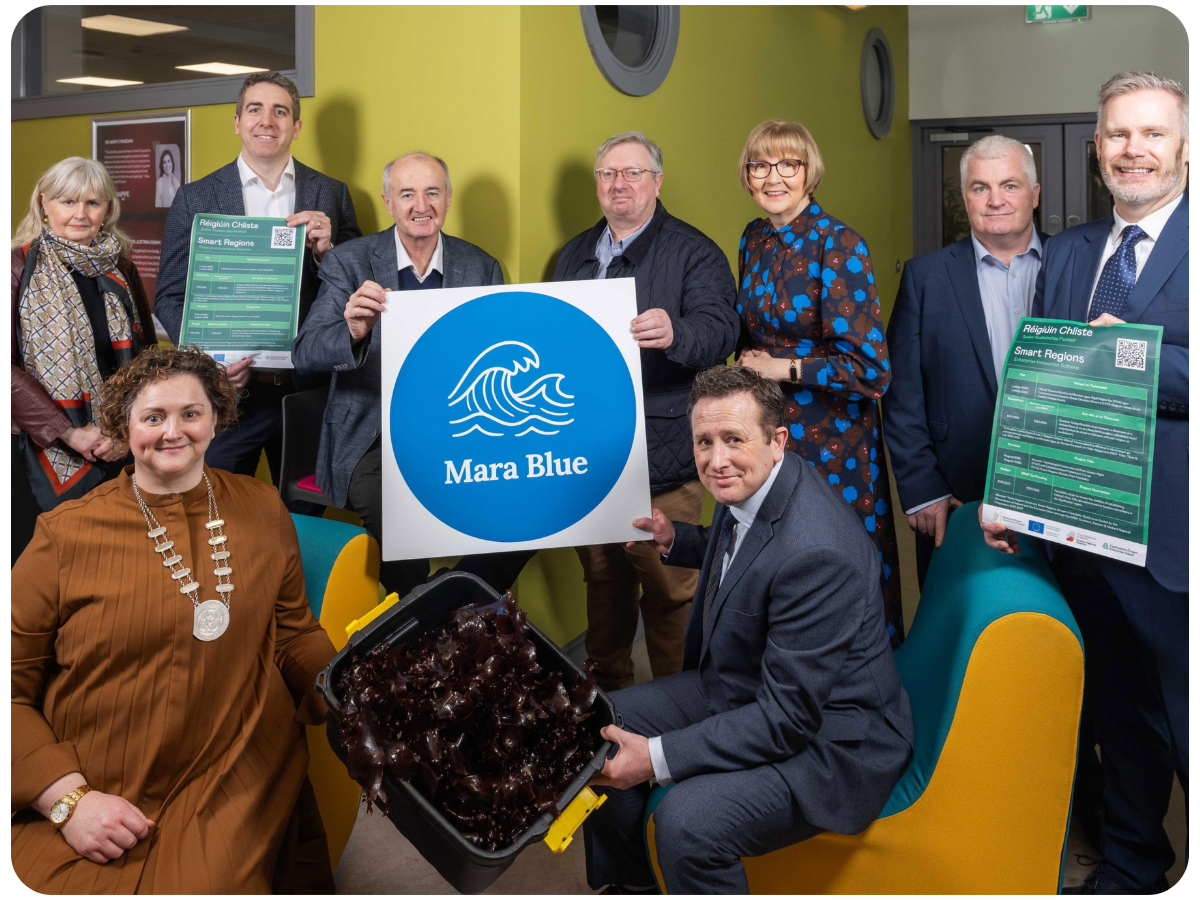
Establishing a Marine Biorefinery Through Regional Partnership (Mara Blue Project)
Munster Technological University (MTU), Pure Ocean Algae and Castletownbere Fisherman’s Co-op are leading a consortium to establish a marine biorefinery in Castletownbere, County Cork.
The Centre for Applied Bioscience Research (CABR) is leading this project, which aims to determine the economic and technical feasibility of establishing a blue biorefinery to support sustainable regional economic development through the valorisation of marine biomass.
- Impact: Industry-academia-community partnership supporting Ireland’s blue economy and bioeconomy objectives in the south-west region
- Funding: Smart Regions Enterprise Innovation Scheme, administered by Enterprise Ireland and supported under the European Regional Development Fund (ERDF)